Are all cryptocurrencies mined
Cryptocurrency exchanges provide markets where cryptocurrencies are bought and sold 24/7. Depending on the exchange, cryptocurrencies can be traded against other cryptocurrencies (for example BTC/ETH) or against fiat currencies like USD or EUR (for example BTC/USD) free pokies. On exchanges, traders submit orders that specify either the highest price at which they’re willing to buy the cryptocurrency, or the lowest price at which they’re willing to sell. These market dynamics ultimately determine the current price of any given cryptocurrency.
Let’s say that a company creates Stablecoin X (SCX), which is designed to trade as closely to $1 as possible at all times. The company will hold USD reserves equal to the number of SCX tokens in circulation, and will provide users the option to redeem 1 SCX token for $1. If the price of SCX is lower than $1, demand for SCX will increase because traders will buy it and redeem it for a profit. This will drive the price of SCX back towards $1.
NFTs are multi-use images that are stored on a blockchain. They can be used as art, a way to share QR codes, ticketing and many more things. The first breakout use was for art, with projects like CryptoPunks and Bored Ape Yacht Club gaining large followings. We also list all of the top NFT collections available, including the related NFT coins and tokens.. We collect latest sale and transaction data, plus upcoming NFT collection launches onchain. NFTs are a new and innovative part of the crypto ecosystem that have the potential to change and update many business models for the Web 3 world.
Are all cryptocurrencies based on blockchain
Nonfungible tokens (NFTs) are minted on smart-contract blockchains such as Ethereum or Solana. NFTs represent unique assets that can’t be replicated—that’s the nonfungible part—and can’t be exchanged on a one-to-one basis. These assets include anything from a Picasso painting to a digital “This is fine” dog meme. Because NFTs are built on top of blockchains, their unique identities and ownership can be verified through the ledger. With some NFTs, the owner receives a royalty every time the NFT is traded.
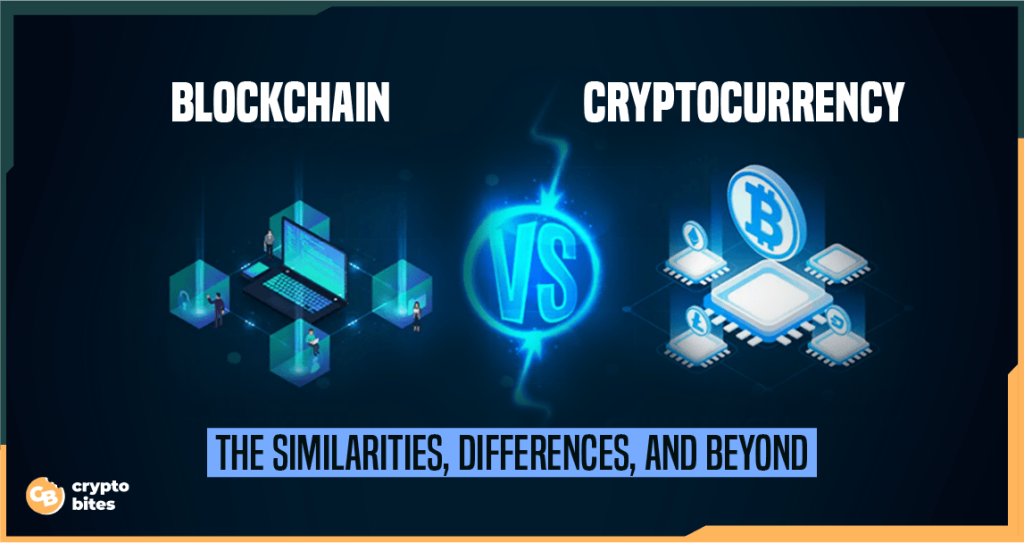
Blockchain is a decentralized digital ledger that securely stores records across a network of computers in a way that is transparent, immutable, and resistant to tampering. Each “block” contains data, and blocks are linked in a chronological “chain.”
Governance tokens are designed to give holders a say in how a decentralised project or protocol is managed. By owning these tokens, you can vote on proposals, suggest upgrades, or decide how funds should be allocated. They support decentralised decision-making and ensure that control remains with the community rather than a central authority.
Every node in the network proposes its own blocks in this way because they all choose different transactions. Each works on their own blocks, trying to find a solution to the difficulty target, using the “nonce,” short for number used once.
Remember the idea of consensus mechanisms? There are two ways blockchain nodes arrive at a consensus: through private blockchains, where trusted corporations are the gatekeepers of changes or additions to the blockchain, or through public, mass-market blockchains.
All the cryptocurrencies
A coin refers to cryptocurrencies and tokens, digital assets created and managed on blockchain networks. A cryptocurrency, also known as ‘crypto,’ is a digital currency that uses cryptography for security and operates on a decentralized blockchain network. Cryptocurrencies are native coins of their respective blockchains used to pay transaction fees and facilitate transactions within that network. Examples of cryptocurrencies include Bitcoin (BTC) and Ethereum (ETH).
The total crypto market volume over the last 24 hours is $172.65B, which makes a 34.94% increase. The total volume in DeFi is currently $27.22B, 15.77% of the total crypto market 24-hour volume. The volume of all stable coins is now $161.34B, which is 93.45% of the total crypto market 24-hour volume.
NFTs, or non-fungible tokens, represent ownership of a unique digital file, often used for digital art, collectables, or other virtual assets. While NFTs share similarities with cryptocurrencies, such as being traded on similar marketplaces, they are not considered cryptocurrencies due to their non-fungible nature. You can read more about it in this article we wrote:
Currently, there is no direct option to download the complete list of cryptocurrencies in Excel format. Nevertheless, we encourage you to contact us using our contact form at so we can discuss alternative options and tailor a solution to fit your requirements.
Welcome to CoinMarketCap.com! This site was founded in May 2013 by Brandon Chez to provide up-to-date cryptocurrency prices, charts and data about the emerging cryptocurrency markets. Since then, the world of blockchain and cryptocurrency has grown exponentially and we are very proud to have grown with it. We take our data very seriously and we do not change our data to fit any narrative: we stand for accurately, timely and unbiased information.
On the other hand, tokens are digital assets that are not native to a particular blockchain but are created on existing blockchain platforms, typically through tokenization. Tokens can represent various types of assets, such as utility tokens, security tokens, or non-fungible tokens (NFTs). They can be easily created using templates, where developers specify parameters like initial supply, number of decimals, and other metadata. Most tokens are created on established blockchain networks like Ethereum, using standards such as ERC-20 for fungible tokens and ERC-721 for non-fungible tokens.